
Winter 2026
Vibrating at a different frequency

Winter arrived early this year.
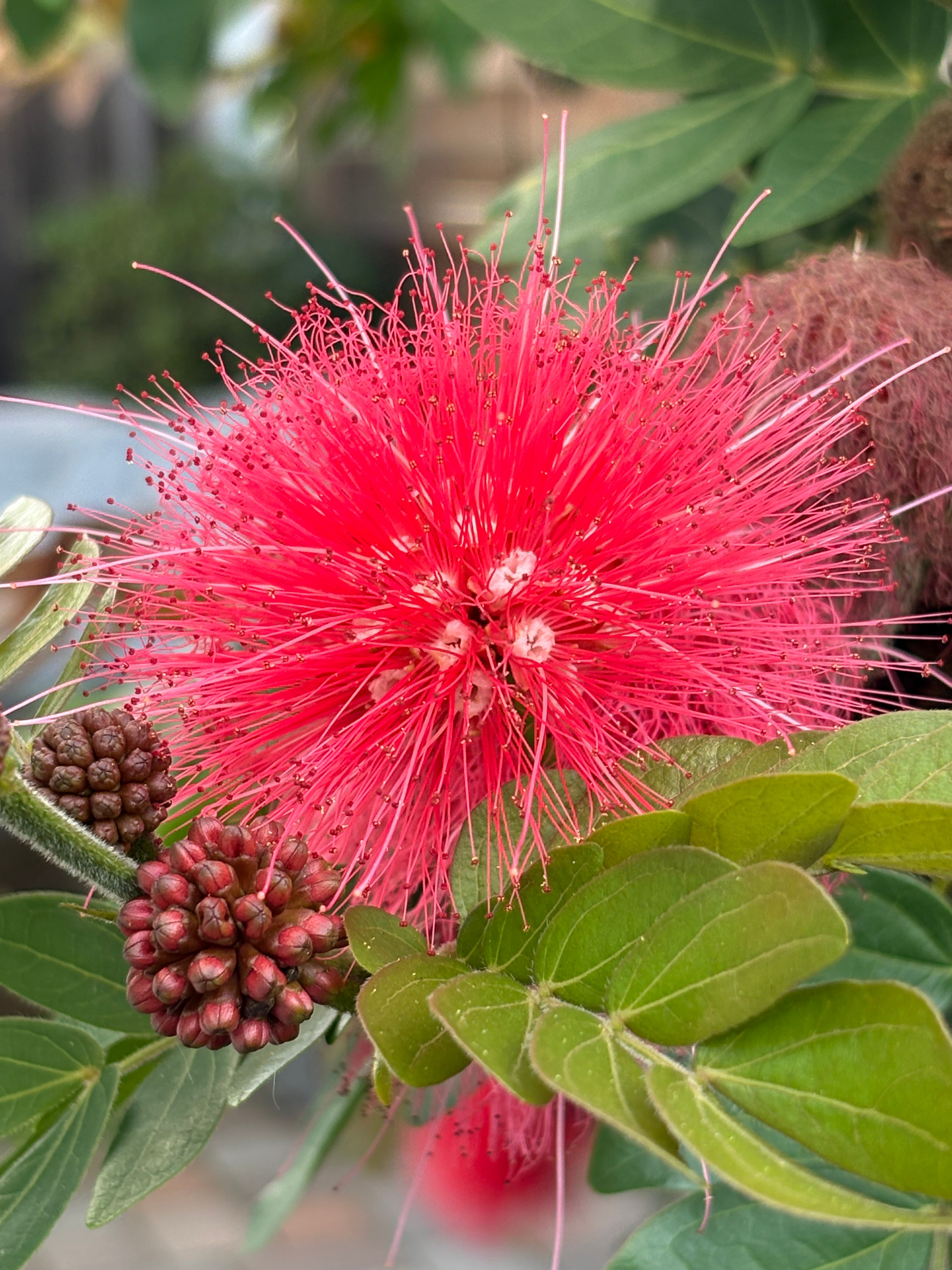
San Diego remained sunny. 72 degrees in November meant bikinis and board shorts. Determined late-crop tomatoes and passion fruit clung to crisped stalks in my garden. Sweet peas and sage sprouted from the soil. A burst of bottlebrush bloomed out my window. Bees and hummingbirds feasted on the nectar.
Yet I’d gone dormant.
The closest I’ll ever have to a sister took her last breath on November 9, 2025.
Around me in that hospital room, the others wailed. The injustice of a charismatic life interrupted by disease. A woman who never let her illness define her, who danced and ran races up until the week cancer drowned her lungs in its muck. A woman so adored that the hospital burst with visitors from around the globe for two weeks straight.
In the noisiness of collective grief, I knelt at the foot of her bed, thinking, as I had many times in the two weeks she’d been intubated, that the inevitability of death was like climate change. Adaptation would always be forced upon us. We could either resist or accept, deny or fight. But regardless, change will come for us.
My hands found her feet. I tried to make sense of her lifeless face, still so beautiful. How would I function without talking to her every day? We’d been friends since middle school. She was always way cooler than I’d ever be. Yet for some reason she chose me. I don’t know why and can’t pinpoint when, but somehow, we became each other’s person. We’d sit on the phone for hours—while driving, cooking dinner, watching TV, exercising—not even talking half the time, just witnessing the minutia of each other’s daily existence.
She’d been ill for awhile—three recurrences of ovarian cancer in three years—so maybe her transition from this body should not have been a surprise. The day she was diagnosed, she called me from the doctor’s office, told me to sit down, and relayed the news in a flat voice. Before I got in the car to drive the five hours to her house, I googled ovarian cancer. I know, a mistake. Dr. Google said she probably wouldn’t live five years. They call ovarian cancer the silent killer because there’s no early detection testing. Unlike most men’s cancers. You don’t find out you have it until, like Coralissa, you are in a later stage of the disease.
She lived three years and three months after her diagnosis.
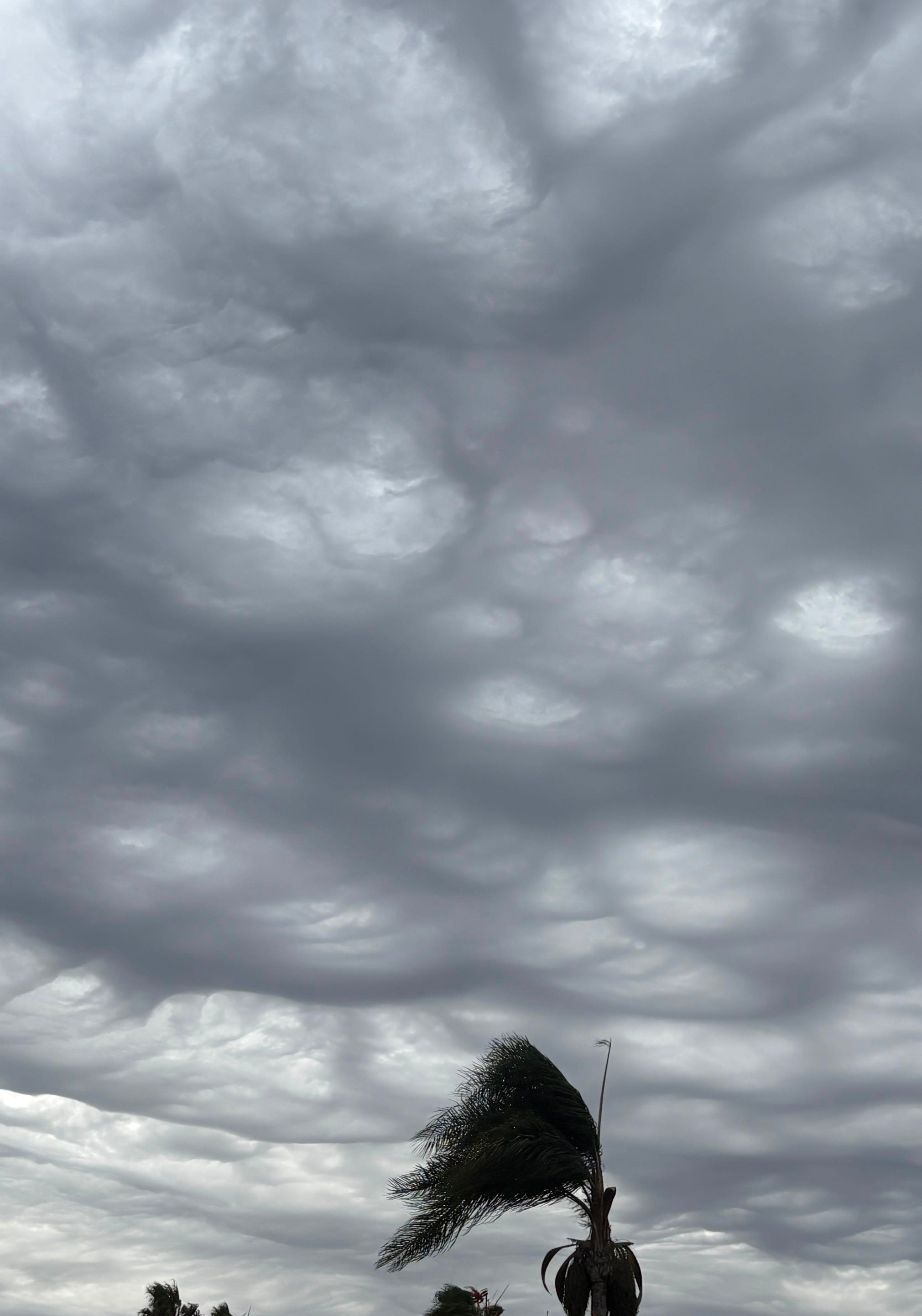
I am not myself, I keep saying when people ask how I am. A grief therapist friend says I am vibrating at a different frequency. I’m trying to lean into the fact that my emotional winter has arrived. I’m an Arctic January without sun, a heavy mist hanging over a dark forest; I’m shoe gazer music, a mug of tasteless tea. So opposite the cheery, smiley, overly positive cheerleader I’ve always fancied myself.
And yet…
I’m finding grief interesting, dare I say beautiful. Like a cataract, everything clouds. I observe and experience the waves of emotion as they ebb and flow. In those first weeks I was incapable of making words, something totally new for me. Instead, I threw clay and bust through the bottom of too many mugs. I observed this need to be dirty, to shape, to remake, and even sometimes to destroy what I’d crafted. For weeks, I sat at the wheel, weighed down by the magnitude of my sadness, begging anyone at the studio to direct me on what to make, how to make it, how I might make sense of any of this messiness.
In her lovely book, Wintering, Katherine May calls sadness a skill.
“We are taught to ignore sadness, to stuff it down into our satchels and pretend it isn’t there. As adults we often have to learn to hear the clarity of its call. That is wintering. It’s the active acceptance of sadness. It’s the practice of allowing ourselves to feel it as a need. It’s the courage to stare down the worst parts of our experience and commit to healing them as best we can. Wintering is a moment of intuition, our true needs felt keenly as a knife.”
I am now a scholar of being skilled at sadness, wondering how to honor, rather than try to usurp the grief.
I suppose that was why, over the winter holidays, when my family and I voyaged north to the rainy cold, I felt calm for the first time in weeks. The environment finally matched my mood, I thought as rain flooded roadways.
“Atmospheric rivers are what Californians now must adapt to,” said a woman eating a burger at an adjacent table, “because of climate change.” We now endure rivers of rain. Our lowlands and belongings drowning. We are seeing the impact play out in real time. First fires. Now deluges. This is happening.
Yet through the rain clouds my habit of seeking magic emerging. It began in San Francisco’s Ferry Building. A hawk landed on a ledge over the mushroom stand inside the building, right above me. Then a couple rainbows appeared. I suppose I’ve been hoping the crows dominating the oaks were Coralissa coming back to deliver messages from beyond, or the honking geese dancing into triangulation were some sort of sign.
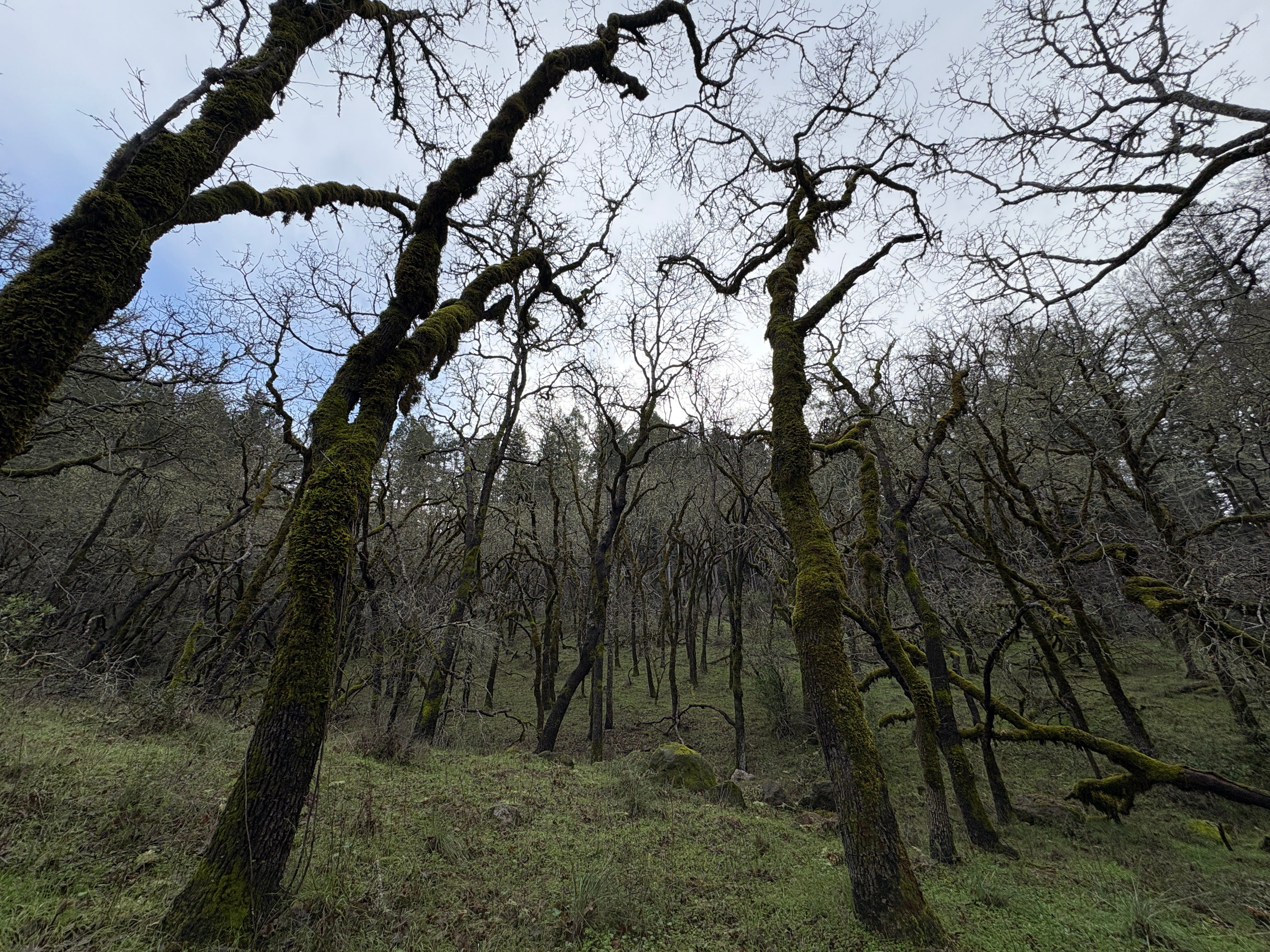
On a hike through Napa Bothe State Park, which burned in 2020, the mushrooms blooming on felled trees, the effervescent moss and lichen, the gnarled naked branches of winter oaks felt like omens. My grief therapist friend’s words returned, you will never be the same. None of this will ever be the same.
But soaking in the hot springs early one morning, the mist low over the recently charred yet still abundant forest, clarity crystalized. We too will burn. Then the rain will come. Sometimes more than we can handle. And then something new will emerge. It can be beautiful, even when it hurts. There is peace in accepting the inevitable.
~Michele
PS: I acknowledge that this is a newsletter typically focuses on solutions. That you are used to me offering guidance. And I am sorry if this post left you hanging. Please know that I am in the process of learning how grief will prove useful and once I have any insights, I will gladly share.
I wanted to share some resources that have supported me in the past months. If you have any music, book, film, recipe, game or podcast recommendations, please share in the comments.
My incredible friend TJ challenged me to make a playlist of my favorite songs of 2025 that I would want to continue listening to in 2026. Here it is.
Books!
I’m rereading Wintering by Katherine May and feeling hugged by its warmth, despite the title.
Pema Chodron’s How You Live Is How You Die has been instructive.
Victor Delecroix’s novella Small Boat proved an interesting exploration of morality and migration.
I Want a Better Catastrophe helped frame new perspectives on our climate emergency.
I also recently gobbled up The Correspondent, the first two installments of On the Calculation of Volume, The Slip, and The Compound.
Cooking. I’ve been making my way through my saved New York Times Cooking recipes. Nothing earth shattering yet, other than the shawarma cauliflower that is my go to, but I am hoping I’ll find some vegetarian keepers.
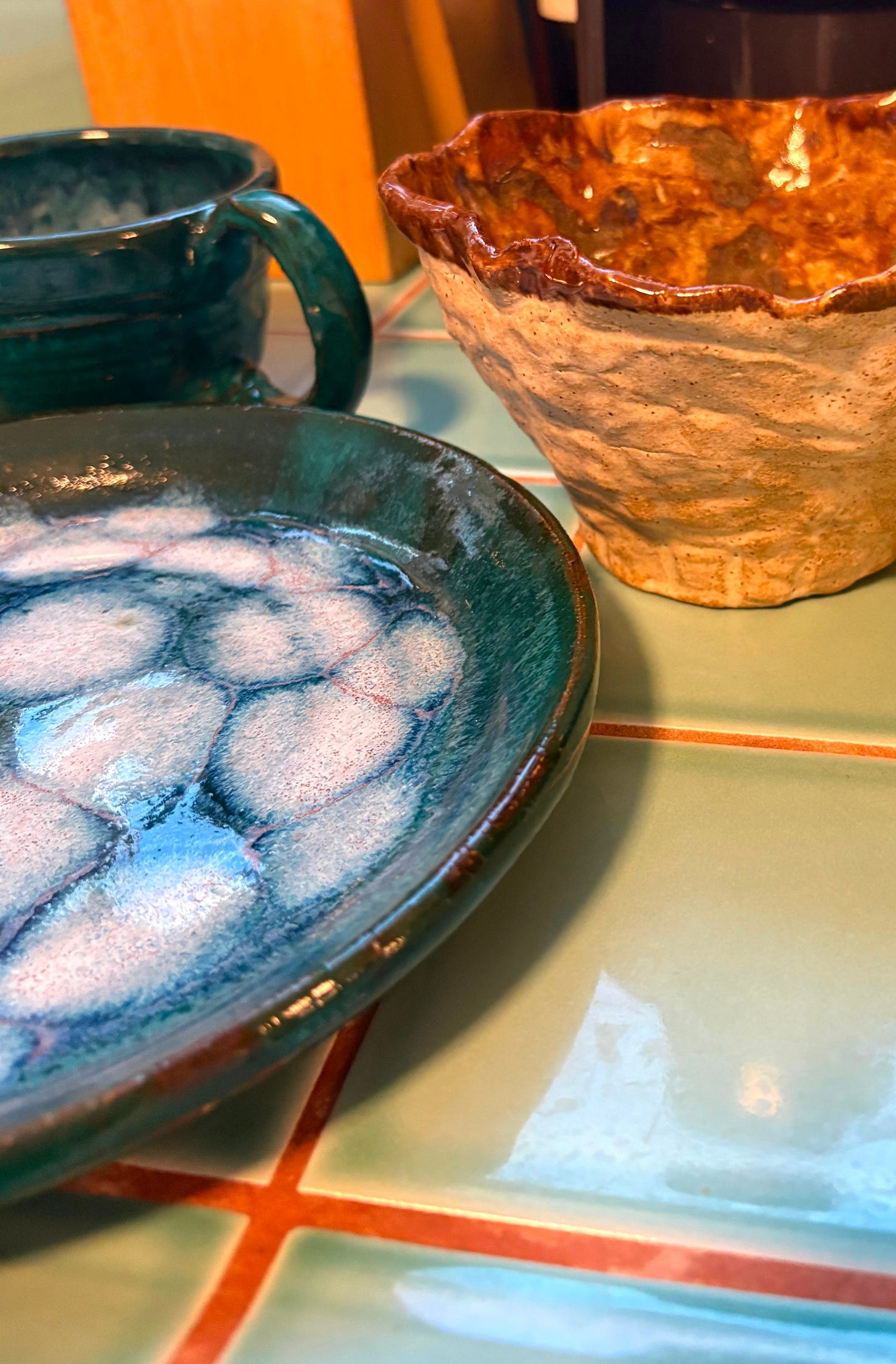
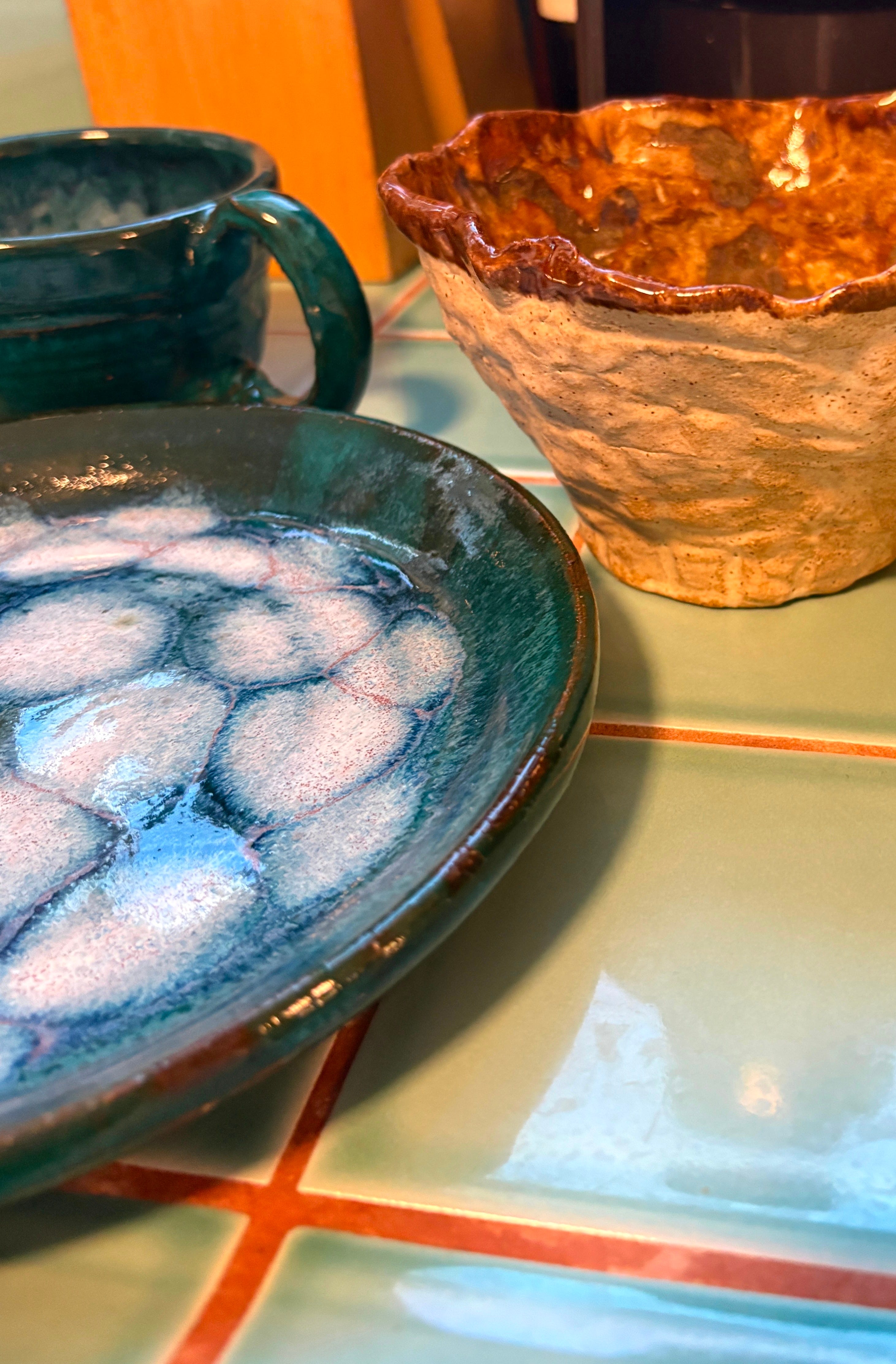
Pottery. I’ll leave you with my most recent creations:
Michele Bigley is a writer, mom, educator, explorer, activist, dancer and gardener. Her award-winning writing has appeared in Sierra, Conde Nast Traveler, Afar, WIRED, Hidden Compass, New York Times, Los Angeles Times, San Francisco Chronicle, CNN, Via, Utne Reader, Yes! and many more. She teaches at UCSD.
aw, this is a tender post, thank you for sharing this. I too had a death this past year, although of a different magnitude, but I realized I was now carrying our memories. Only I know what happened now. Not quite a burden, but something. What a special person she seemed to be, and your friendship too!
Oh friend. Beautiful, just like you, your grief, Coralissa, that amazing friendship, and this season of wintering. May you be blessed with the truths and beauties you stumble onto, throughout.